
Thanh Ha Pottery Village: 500 Years of Craftsmanship Near Hoi An
- Thạch Thanh Thảo
- Jun 21
- 5 min read

Introduction
Thanh Ha Pottery Village is one of the oldest and most important traditional craft villages in central Vietnam. Located on the banks of the Thu Bon River, just a short distance from Hoi An Ancient Town, the village has preserved its ceramic-making traditions for more than five centuries.
During the seventeenth century, when Hoi An flourished as one of Asia's leading international trading ports, Thanh Ha Pottery Village supplied essential ceramic products that supported daily life, maritime commerce, and urban development. Its history is closely connected to the migration of artisans from Thanh Hoa Province—the ancestral homeland of the Nguyen Lords, including Lord Nguyen Phuc Nguyen, the foster father of Princess Anio (Ngoc Hoa).
Today, Thanh Ha Pottery Village remains a living reminder of the craftsmanship that helped build Hoi An's golden age.
Table of Contents
The Origins of Thanh Ha Pottery Village
The history of Thanh Ha Pottery Village dates back more than 500 years. According to local historical accounts, groups of artisans migrated from Thanh Hoa Province to Quang Nam during the fifteenth and sixteenth centuries. Bringing with them generations of ceramic-making knowledge, they settled along the Thu Bon River where transportation routes, clay resources, and commercial opportunities were abundant.
The settlement gradually evolved into Thanh Ha Pottery Village.
The location proved ideal. Clay from nearby riverbanks provided high-quality raw materials, while the river itself allowed finished products to be transported throughout the region. Over time, pottery became the primary occupation of the community, creating a specialized craft village whose products were widely used across central Vietnam.

Migrants from Thanh Hoa and the Nguyen Lords
One of the most fascinating aspects of Thanh Ha Pottery Village is its connection to Thanh Hoa Province.
Thanh Hoa was not only the homeland of many early settlers who moved southward, but also the ancestral homeland of the Nguyen Lords. Lord Nguyen Phuc Nguyen, the ruler who transformed Hoi An into a major international trading port during the seventeenth century, traced his family origins to Thanh Hoa. As migrants moved south, they brought more than people. They carried skills, traditions, religious beliefs, and cultural knowledge.
The potters who established Thanh Ha contributed to a broader movement that shaped the identity of Quang Nam and Hoi An. This connection helps explain why Thanh Ha Pottery Village represents more than a local craft tradition. It is part of the larger story of migration, state-building, and economic development that occurred under the Nguyen Lords.
When visitors explore the history of Princess Anio and Lord Nguyen Phuc Nguyen, they are also discovering the world in which villages like Thanh Ha played an important role.
Thanh Ha Pottery During Hoi An's Golden Age
The seventeenth century marked the golden age of Hoi An. Merchants from Japan, China, Portugal, the Netherlands, and other regions arrived in the port city seeking valuable goods and commercial opportunities. This period coincided with the leadership of Lord Nguyen Phuc Nguyen and later Nguyen rulers who promoted international trade.
As Hoi An expanded, demand for ceramic products increased dramatically.
Thanh Ha artisans supplied a wide range of essential products, including:
Water jars
Food storage containers
Cooking vessels
Roof tiles
Bricks
Household ceramics
These products supported both local residents and international merchants. Warehouses required storage containers. Ships needed ceramic vessels for transporting supplies. Growing neighborhoods demanded construction materials. The prosperity of Hoi An created a thriving market for Thanh Ha pottery.
In many ways, the village became one of the industries supporting the commercial success of the port.
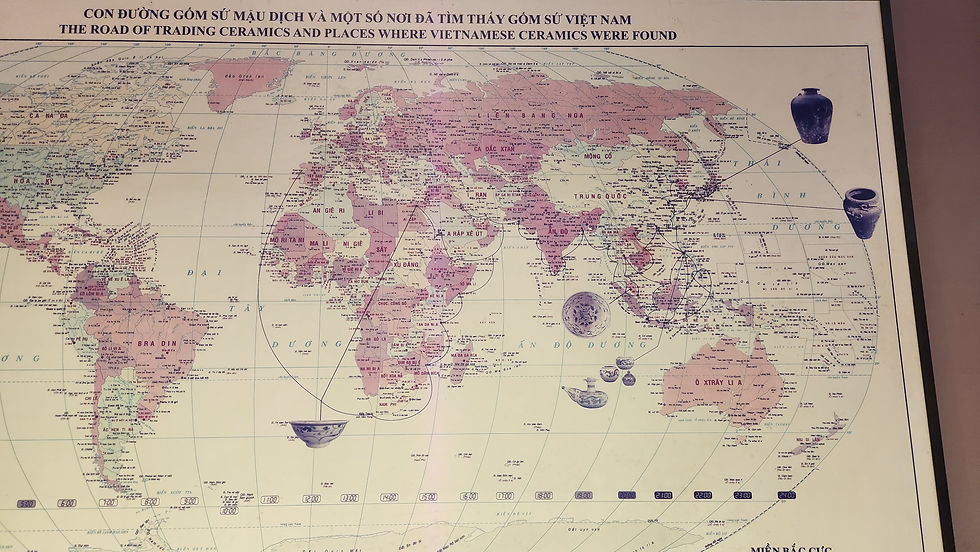
Ceramics and International Maritime Trade
When discussing Hoi An's international trade, attention is often focused on silk, spices, or precious goods. However, everyday products such as pottery were equally important.
During the era of the Red Seal Ships, Japanese merchants regularly visited Hoi An. These voyages connected Nagasaki and Hoi An through one of Asia's most active maritime trade networks.
The world of Princess Anio and Araki Sotaro depended upon infrastructure that included villages like Thanh Ha. Pottery containers stored food, water, and commercial goods. Ceramic construction materials helped build homes, warehouses, and commercial facilities.
Without supporting industries, international trade could not function efficiently. Although silk often receives greater historical attention, the ceramic products of Thanh Ha quietly contributed to the daily operation of one of Asia's busiest ports.
Traditional Techniques That Survive Today
One reason Thanh Ha Pottery Village remains unique is the preservation of traditional production methods.
Unlike many modern ceramic workshops, Thanh Ha artisans continue to shape clay largely by hand.
The process includes:
Clay Preparation
Local clay is collected and carefully processed before use.
Hand Shaping
Artisans shape pottery manually rather than relying heavily on industrial equipment.
Decorative Finishing
Traditional patterns and finishing techniques reflect centuries of accumulated knowledge.
Kiln Firing
Products are fired in kilns using methods passed down through generations.
Visitors often describe the experience as stepping into a living museum where historical techniques continue to function in everyday life.
Did You Know?
Thanh Ha Pottery Village is Over 500 Years Old
The village is among the oldest continuously operating craft communities in Vietnam.
Pottery Was Essential to Maritime Trade
Ceramic containers played an important role in storing and transporting goods during Hoi An's trading era.
The Village Has Roots in Thanh Hoa
Local tradition links the founders of Thanh Ha to migrants from Thanh Hoa Province, the homeland of the Nguyen Lords.
Traditional Methods Are Still Used
Many artisans continue to rely on techniques that have changed little over centuries.
Why Thanh Ha Pottery Village Matters
Today, Hoi An is known worldwide as a UNESCO-recognized heritage destination. Yet the city's success was built not only by merchants and rulers but also by skilled craftsmen.
Thanh Ha Pottery Village represents the creativity and labor that supported economic growth during the seventeenth century. The village helps modern visitors understand how traditional industries contributed to the rise of Hoi An as a global trading port.
Its story connects migration, craftsmanship, commerce, and cultural exchange.
Most importantly, it reminds us that behind every successful trading city stand generations of artisans whose work often goes unnoticed.
Conclusion
Thanh Ha Pottery Village is far more than a tourist attraction. It is a living legacy of the people who helped build Hoi An's golden age.
Founded by migrants from Thanh Hoa, connected to the broader history of the Nguyen Lords, and closely linked to the maritime trade networks of the seventeenth century, the village remains an essential chapter in the story of central Vietnam.
For anyone interested in Princess Anio, Lord Nguyen Phuc Nguyen, or the history of Hoi An, understanding Thanh Ha Pottery Village offers valuable insight into the industries that supported one of Asia's most remarkable trading ports.
Explore More About Hoi An's Golden Age
Related Articles:
Princess Anio (Ngoc Hoa): A Bridge Between Vietnam and Japan
Lord Nguyen Phuc Nguyen: The Visionary Ruler Behind Hoi An's Golden Age
Araki Sotaro: The Japanese Merchant Who Married Princess Anio
Red Seal Ships: The Maritime Route Between Japan and Hoi An
External Resources:
UNESCO World Heritage Centre – Hoi An Ancient Town
Vietnam National Administration of Tourism
Interested in discovering the world of Princess Anio and seventeenth-century Hoi An? Explore more stories about traditional crafts, maritime trade, and cultural exchange on Hoianio.com.


Comments